Virtual Sports, where traditional competitions become digitalised#
Virtual Sports Set Apart
Technology and digital transformation pushes the way we practice sports. One aspect of sports digitalisation is that it creates new forms of sport and new ways to practice. Labelling these as virtual sports helps to set them apart when the boundaries between traditional sports, esports, and exergames start to blur. Virtual sports differentiate themselves primarily through two fundamental dimensions: physicality and reality.
- 🤸 Physical movements that mimic sports. Recent advancements in technology allows to digitally capture physical movements extremely accurately and sensitively, for instance with milimeter precision in virtual golf. This makes virtual sports different from exergames, where accuracy and sensitivity is lower and the focus is more on playful entertainment or rehabilitation rather than athletic competitions. Virtual sports also differ from esports, where physical movement (e.g. fine-motor controls like manipulating a mouse, keyboard, or controller) is required but not aimed at mimicking an existing sport to feature competitions.
- 🕹️ Physical-Digital Interreality. Unlike pure sports simulations that leave data unaltered and merely displays it on a screen, virtual sports take place within its own digital world. Data from real-world performances (e.g. power) is altered based on events in the digital world (e.g. in-game drafting), which creates a hybrid physical-digital interreality. This means that the algorithms behind virual sports games influence sport competitons, transforming them into a blend of physical performance and digital strategy.
Connecting Research, Policy and Practice
The mission of the Virutal Sports Research Network and Blog is to provide a showcasing and connecting platform for this innovation. This mission is achieved through the following aims: (1) to provide an accessible shared understanding of virtual sports by providing science-based blogs, (2) to promote the name of "virtual sports" as distinct label to better distinguish it from esports and exergaming, (3) to bridge the gap between academic research, policy, and practice by connecting and featuring experts in an active network.
- 🔬 Explore the science and read insights and perspectives in our Research Blog
- 👥 Discover experts and connect with international researchers and experts in our Virtual Sports Research Network.
- 🤝 Collaborate if you are conducting research on virtual sports by joining our network and contributing to our blogs.
Most Recent Blog Posts#

Virtual Cycling in Sports Clubs: how does that fit in existing sport policy?

The Hidden Threat: Cheating and Doping in Virtual Sports

(e)Sports, Gaming and Meta-Sports track at the 2026 European Conference on Information Systems
Virtual Sports Research Network#
Connecting expertise from leading academics & experts

Thibault’s research focuses on the emergence of virtual sports and specifically on its definition, organisational adoption, legitimisation and governance.

Anne’s work focuses on social inclusion in and through sports. To this end, she takes various approaches of which virtual sports is one.

Daniel’s work focuses on the dynamic interplay between digitalization, sports, and health management. This includes topics such as sports digitalization, sports management, transparency and fairness, and innovation in sports.

Andrew is Doctor of Social Policy and covers topics on anti-doping, image and performance enhancing drugs, body image, transgender sport, eSports, physical activity and, last but not least, virtual sports.
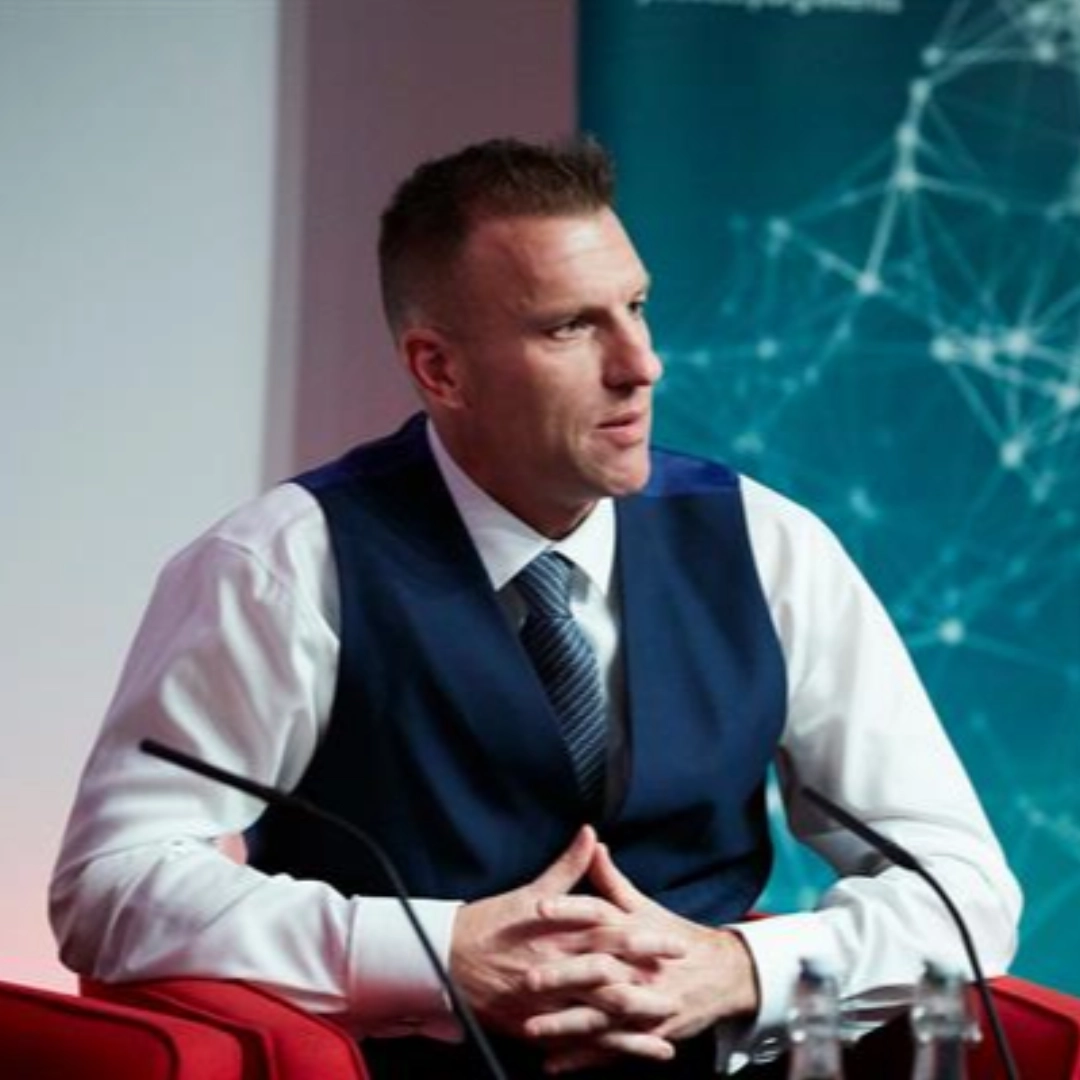
Bryce’s research focuses on the design, philosophy and analysis of technology used in high performance sport.
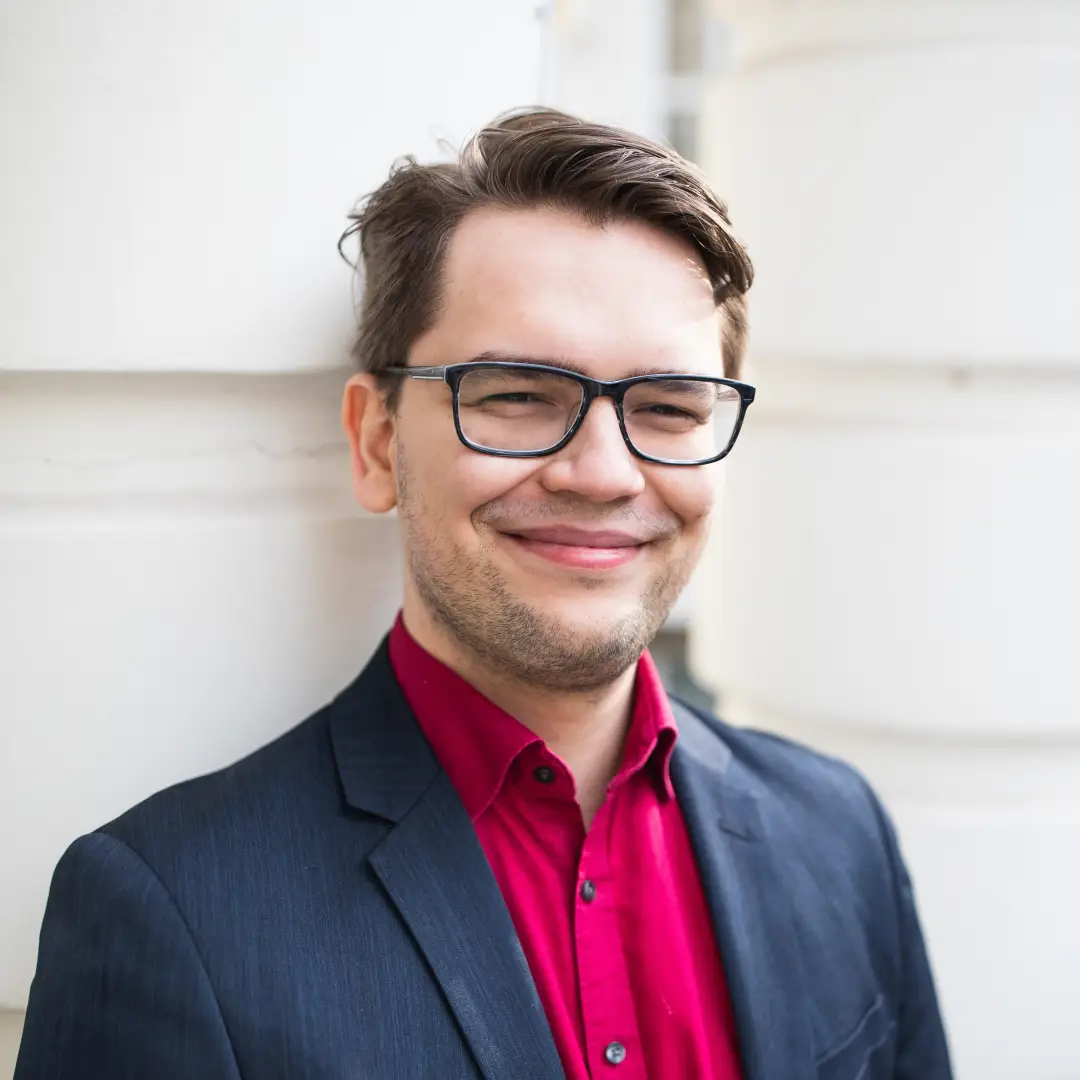
Lucas’ research examines the digitalization of traditional sports, the health implications of born-digital sports, and the role of physicality in a digital innovation context.

Willem’s research explores the intersection of technology and human behaviour in the fields of sport management, marketing and innovation.

Greg’s work focuses on good governance and innovation in sport. He has experience in business, government and NGO sectors.

Charlotte is Doctor in sport sociology with interest in the sociological and policy components of sport. Her focus is on the impact of digital innovation on the field of sport and Generation Z.

Chris is the creator of the cycling esports website TheZommunique.com and co-host of The Virtual Velo Podcast. As a trusted voice with great knowledge and connections in the cycling esports field, he understands the contemporary challenges and aims to tackle these to ensure cycling esports’ success.